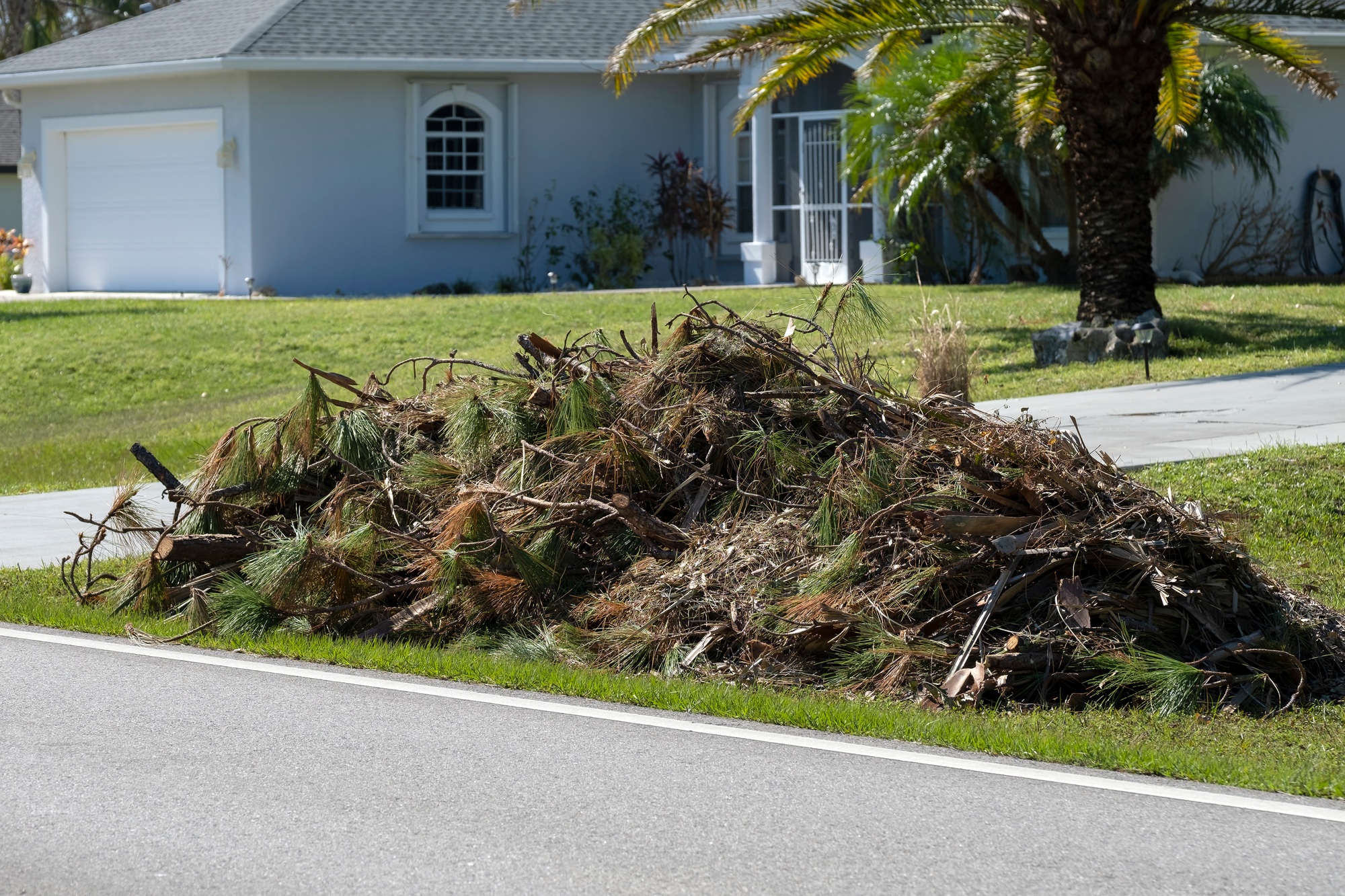
Understanding Tampa’s Yard Waste Rules
One thing I’ve learned living here, Tampa doesn’t mess around when it comes to yard waste rules. Whether you’re in the City of Tampa limits or unincorporated Hillsborough County, there are specific guidelines you need to follow if you want your debris picked up without a hitch.
If you live in the City of Tampa, plastic bags are out. Since February 2024, yard waste can only be placed in:
Reusable 32-gallon cans with handles and lids
Paper lawn-and-leaf bags
Bundles tied with natural-fiber twine, like jute or cotton
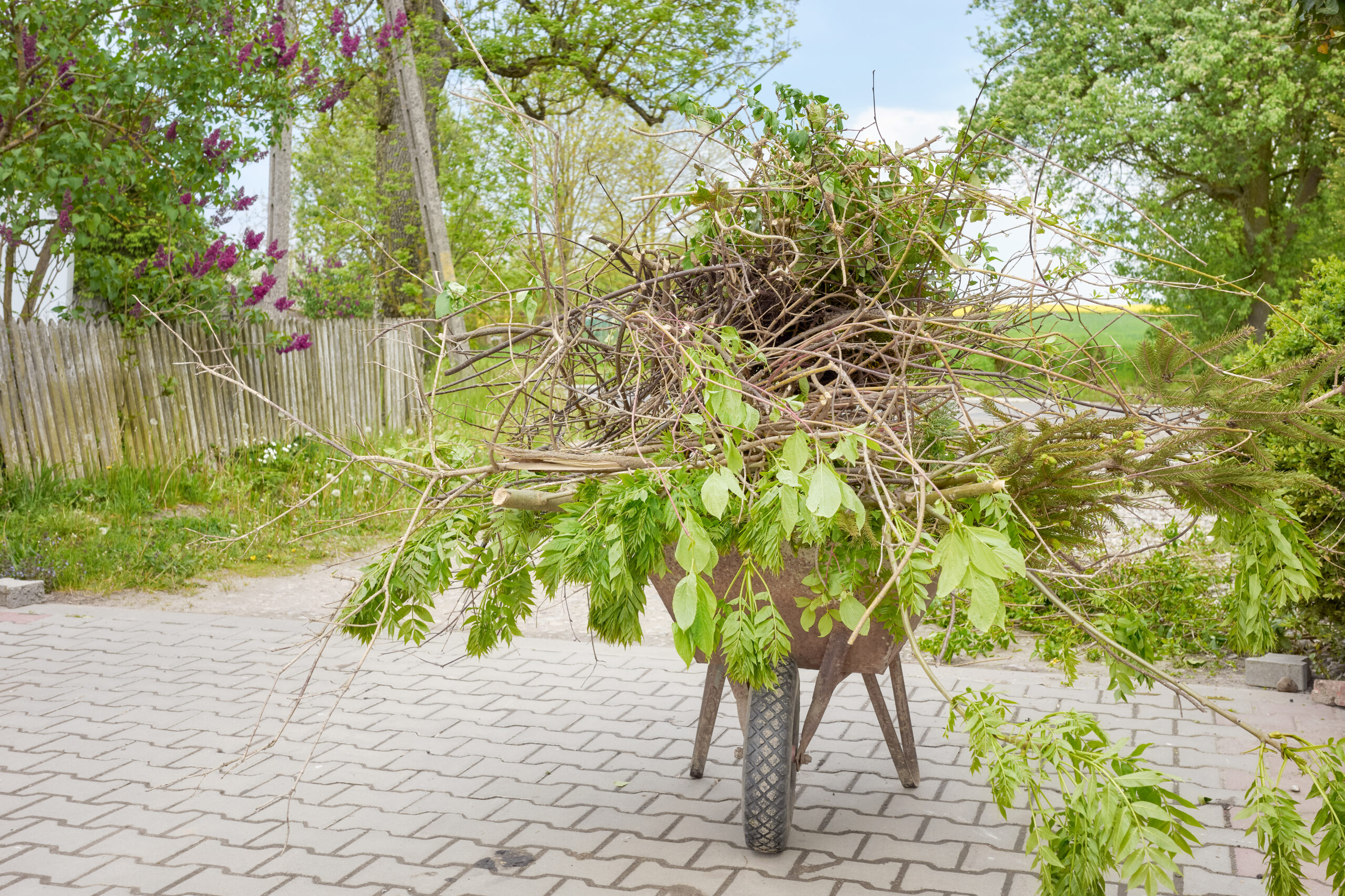
Each container or bundle must weigh 50 pounds or less, and branches can’t be longer than 4 feet or thicker than 6 inches in diameter. Put them curbside no earlier than the evening before pickup to avoid code violations.
If you’re in Hillsborough County, the rules are similar but with a few differences. Yard waste gets collected once a weekup to 2 cubic yards (about twelve 30-gallon bags) per pickup. Between February and April, the limit bumps up to 3 cubic yards to handle spring cleanups. Everything needs to be within 6 feet of the curb and bundled, bagged, or canned appropriately.
And here’s a big one: never mix yard waste with household trash or recycling. Not only will it be left behind, but you could face fines for contamination.
For the full, official breakdown, check the City of Tampa yard waste guidelines or the Hillsborough County waste collection page.
Your Pickup Day & How to Prep for It
One of the easiest ways to avoid the dreaded “missed pickup” tag is to know your exact yard waste collection day and follow the prep rules to the letter.
If you’re in Hillsborough County, yard waste is collected once a week, but the day varies by neighborhood. You can look up your schedule on the Hillsborough County collection day search tool. In the City of Tampa, you’ll need to check the city’s residential pickup calendar to find your designated day.
Here are my go-to tips for making sure your yard waste actually gets picked up:
Time it right: Place waste curbside after 6 p.m. the night before pickup or before 6 a.m. the morning of. Too early, and you risk HOA complaints; too late, and you’ll miss the truck.
Bundle smart: Keep bundles under 50 pounds and within size limits (4 feet long, 6 inches thick) so crews can handle them quickly.
Separate properly: Never mix yard waste with trash, recycling, or bulky items—anything contaminated is left behind.
Mind the weather: During rainy weeks, wet debris can push bundles over the weight limit; store them under a tarp until collection day.
Special pickups: If you have a big landscaping project or post-storm cleanup, consider scheduling an extra pickup or hauling directly to a yard waste facility to avoid overflow.
Following these steps makes the difference between a smooth pickup and a week of staring at a pile of palm fronds on your curb.
Drop-Off Sites and What They Accept
Sometimes, your yard waste pile is just too big for the curb. That’s when Tampa and Hillsborough County’s drop-off sites come in handy. I’ve used them more times than I can count, especially after trimming a massive oak or cleaning up after a tropical storm.
If you live in the City of Tampa, you can use the McKay Bay Transfer Station:
Address: 114 S. 34th Street, Tampa, FL 33605
Hours: Monday–Saturday, 7 a.m. to 4:30 p.m.
What they take: Yard waste, household garbage, bulk items, and recyclables (but keep yard waste separate).
For Hillsborough County residents, there are two main Yard and Wood Waste Processing Facilities:
Northwest County Facility – 8001 W. Linebaugh Ave., Tampa, FL 33625
South County Facility – 13000 U.S. Highway 41, Gibsonton, FL 33534
What they accept:
Grass clippings, leaves, palm fronds, small branches, and tree limbs up to the size limits.
Logs and large branches (as long as they’re free of nails and metal).
Up to 2 tons per year per household at no charge with ID and proof of residency.
You can also pick up free mulch, up to 2 cubic yards per year, first come, first served.
Pro tips:
Bring a tarp to cover your load; it’s required by law and keeps debris from blowing onto the road.
Sort your yard waste before arriving; mixed loads may be rejected or charged.
If you’re doing a major tree removal, call ahead to confirm acceptance.
If hauling isn’t an option for you, consider a professional cleanup service for storm debris removal in Tampa to handle it all in one trip.
Eco-Friendly Alternatives to Curbside Pickup
Not all yard waste needs to hit the curb. Over the years, I’ve learned that keeping some debris on-site, when handled the right way, can actually save you time, money, and even improve your yard’s health. Here are my favorite eco-friendly options that Tampa locals can easily put into practice:
1. Composting at Home
Instead of bagging every leaf, turn them into nutrient-rich compost. Grass clippings, leaves, and small branches can all be shredded and layered into a compost bin or pile. Over a few months, you’ll have natural fertilizer perfect for flower beds and vegetable gardens. The UF/IFAS Extension in Hillsborough County offers composting guides and even workshops for beginners.
2. Mulching in Place
If you have a mower with a mulching blade, skip the bag and let it chop leaves and grass into tiny pieces that break down into your lawn. For branches, rent or borrow a small chipper and spread the mulch around trees, garden beds, or pathways.
3. “Leave the Leaves” Method
This approach is gaining popularity with Florida gardeners. By letting a layer of leaves remain under trees and shrubs, you create a natural habitat for beneficial insects, help retain soil moisture, and reduce the need for commercial mulch. Just keep it neat, avoid smothering grass or blocking drainage areas.
4. Repurpose Palm Fronds
Palm fronds can be used as garden borders, compost bin covers, or even temporary erosion control along slopes. Just remember, they take longer to break down, so use them in areas where that’s an advantage.
Making use of your yard waste on-site not only reduces what you send to the landfill, but it can also cut down your trips to the curb or drop-off site. And if you still have overflow, you can always pair these methods with a scheduled yard waste removal in Tampa to handle the rest.
Common Yard Waste Mistakes (and How to Avoid Them)
I’ve seen (and made) just about every yard waste mistake there is in Tampa. Some cost you time, others get you a warning tag from the city, and a few can even lead to fines. Here’s what to watch out for:
1. Mixing Yard Waste with Trash or Recycling
It might seem harmless to toss a few palm fronds into the trash can, but it’s against the rules. Crews won’t take it, and you’ll have to drag it back up your driveway. Keep yard waste in its own bags, bins, or bundles.
2. Using the Wrong Bags or Containers
Since Tampa’s plastic bag ban for yard waste kicked in, I’ve seen neighbors miss pickups because they didn’t switch to paper lawn-and-leaf bags or reusable cans. Hillsborough County allows plastic bags, but it’s still better to use paper for easier composting at drop-off sites.
3. Overstuffing Bundles and Bins
Even if you’re strong enough to lift a 70-pound bundle, the crew won’t take it if it’s over 50 pounds or longer than 4 feet. Cut large limbs down to size and keep bundles manageable.
4. Putting Yard Waste Out Too Early (or Too Late)
Leaving bags or piles out days early can lead to neighborhood complaints, especially if the wind scatters debris. Put it out the evening before pickup, or early in the morning on collection day.
5. Ignoring Seasonal Rules
During hurricane season or major storm cleanups, pickup schedules may change. Always check the city or county site for temporary limits or extra collection days.
Avoiding these mistakes means no wasted trips to the curb and no surprise rejections. And when the pile is just too big to deal with, scheduling a yard waste removal in Tampa can be the fastest fix.
Preparing for Hurricane Season Cleanup
If you’ve lived in Tampa long enough, you know hurricane season brings more than just heavy rain; it brings mountains of yard debris. Preparing ahead can save you a massive headache once the storms roll through.
1. Trim Early and Often
Don’t wait for the first named storm to start trimming trees. Weak limbs, overgrown palms, and leaning branches can turn into dangerous projectiles. Schedule your big cuts in late spring or early summer so there’s time for regular curbside pickup before peak storm activity.
2. Stage Debris Safely
If you can’t get it hauled right away, keep yard waste well away from storm drains and sidewalks. Piles that block drainage can cause localized flooding, and anything too close to the street risks washing into traffic during heavy rain.
3. Follow Size and Weight Rules, Even for Storm Debris
After major storms, crews may still enforce weight and length limits, especially in the City of Tampa. Keep limbs under 4 feet and 6 inches in diameter when possible, or cut them down before bundling.
4. Separate Storm Debris from Construction Waste
If a fence panel or roofing shingle comes down with your tree limbs, sort it before putting it to the curb. Mixed loads slow down removal crews and might be skipped entirely.
5. Know the Backup Options
When storm debris overwhelms your curb pickup capacity, you can haul directly to a Hillsborough County yard and wood waste facility or hire a local storm cleanup crew for same-day removal. In some cases, it’s faster to book storm debris cleanup in Tampa to get your property clear before the next round of weather.
Storm prep isn’t just about boarding windows; it’s also about making sure your yard is ready to handle high winds and heavy rains without leaving a mess that takes weeks to clear.
Keeping your yard looking its best in Tampa doesn’t have to be a guessing game. Whether you’re clearing a few bags of clippings, dealing with hurricane-season debris, or tackling a full weekend of tree trimming, knowing the local rules and having a plan makes all the difference. Follow the city’s guidelines, make use of drop-off facilities, and try a few eco-friendly disposal methods to save time and reduce waste. And when the pile is just too big or you need it gone fast, a trusted local yard waste removal service in Tampa can take the stress off your hands, so you can get back to enjoying your yard, not worrying about the cleanup.
 Skip to content