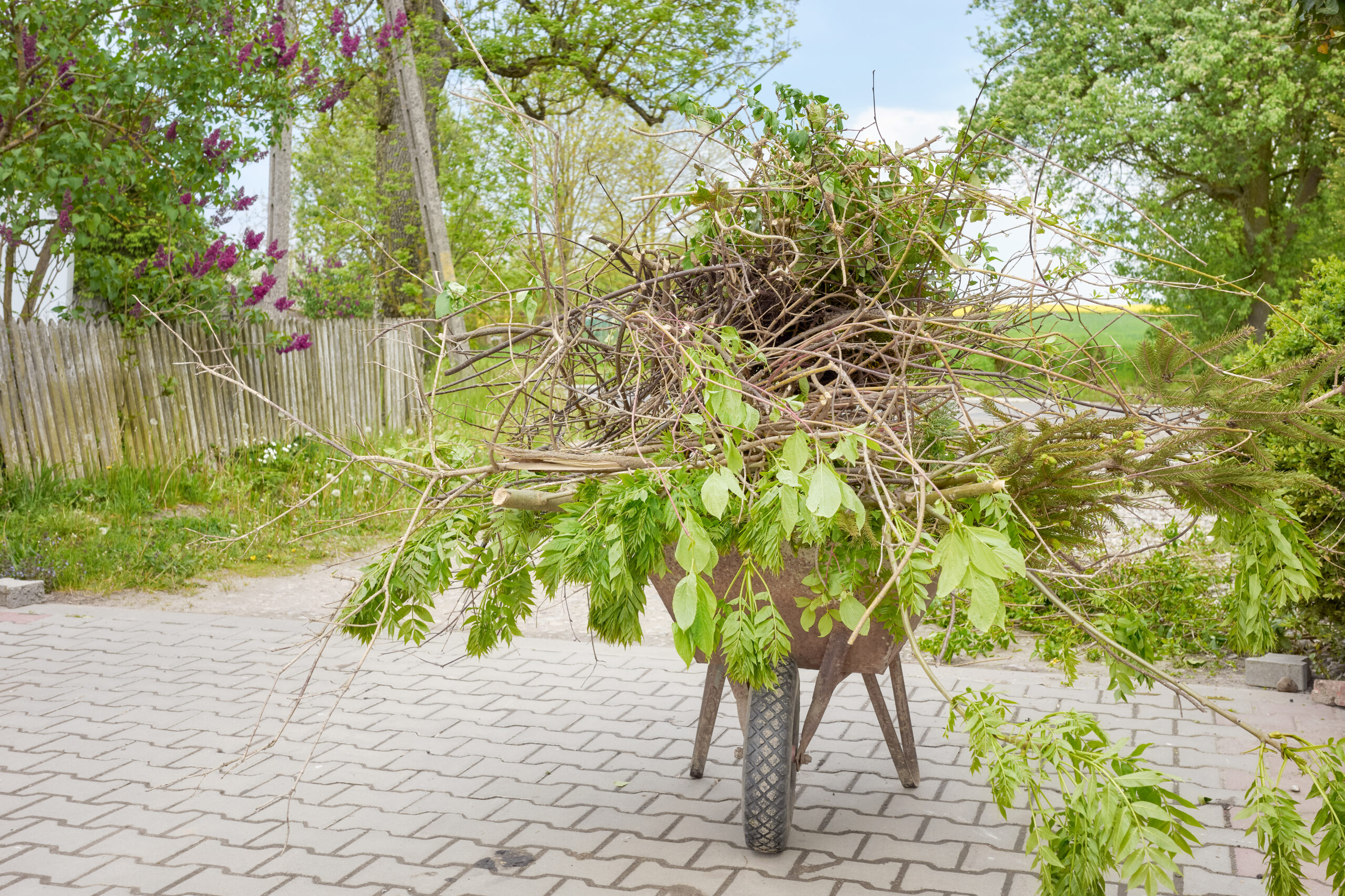
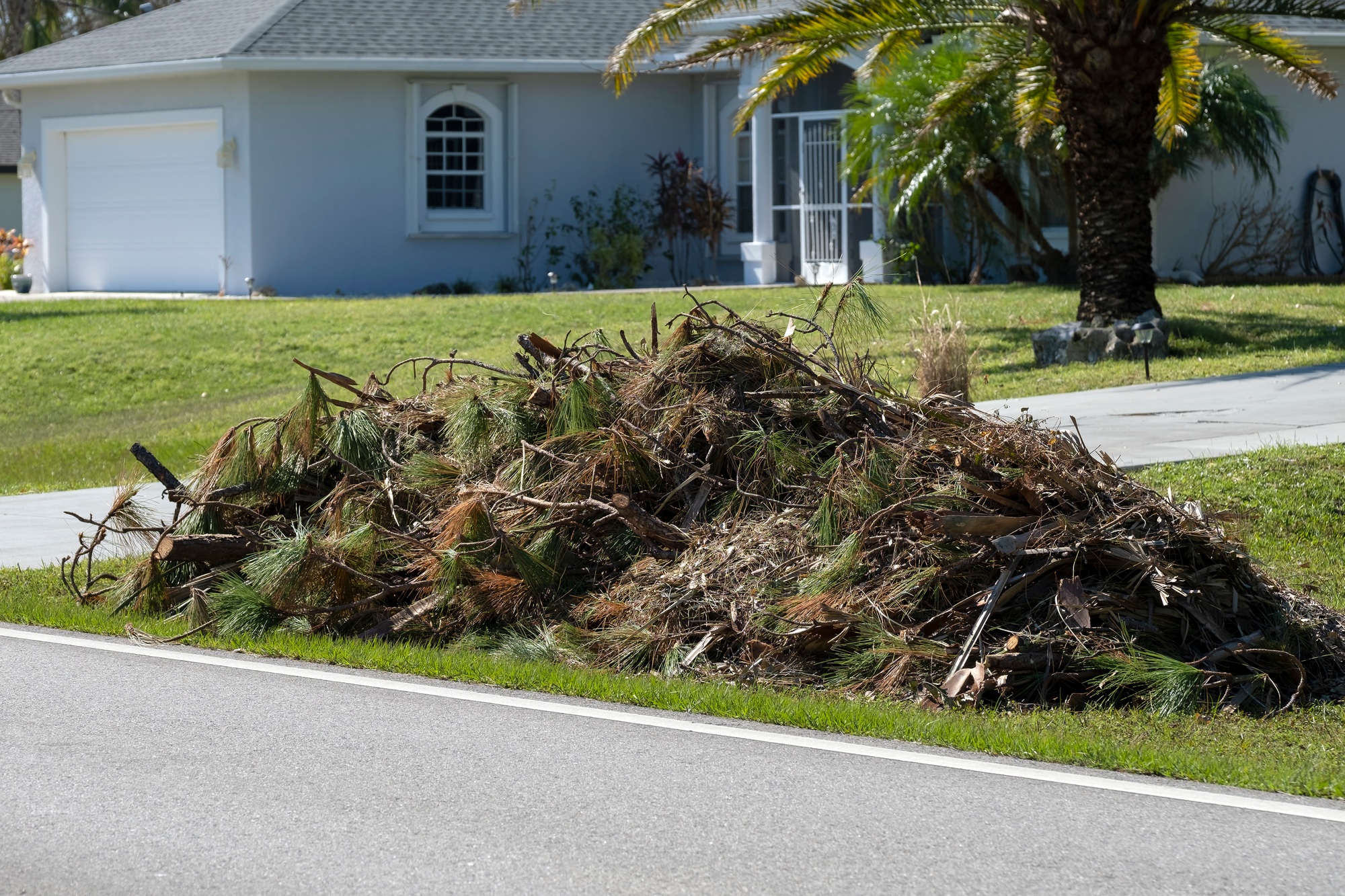
I’ll be honest, after a long Saturday of mowing my lawn and trimming back a couple of overgrown trees, I’ve stared at a mountain of grass clippings and branches, wondering, “Now what?” My bins were already full, the city pickup schedule wasn’t until next week, and the pile was starting to look like it had its own zip code.
If you’ve been there too, you know that getting rid of yard debris isn’t always as simple as tossing it in the trash. In Tampa, there are specific rules for how grass clippings and tree limbs need to be handled, plus plenty of eco-friendly ways to reuse them if you’ve got the time and space.
In this guide, I’ll walk you through every practical option, from free city programs and drop-off sites to creative reuse ideas, so you can choose what works best for your yard, your schedule, and the planet. And yes, I’ll also share when it actually makes sense to call in a junk removal service, just in case you ever hit that “I’m done” moment like I did.
Understanding Tampa’s Yard Waste Rules
One of the biggest surprises for me when I first started hauling out yard waste was just how specific Tampa’s rules are. It’s not just “put it on the curb and hope for the best.” There are size limits, bag requirements, and even seasonal restrictions that can make or break your pickup day.
Here’s what you need to know:
Bagging Grass Clippings & Leaves – The city generally requires you to use biodegradable paper lawn bags or reusable containers. Plastic bags are a no-go because they can’t be composted.
Bundling Tree Limbs – Branches should be cut to about 4 feet or less in length and tied in bundles no heavier than 50 pounds.
Keeping It Separate – Yard waste should be kept apart from your household garbage and recyclables. Mixing it in will get it left behind.
Pickup Limits – Tampa’s curbside yard waste pickup is usually once a week, but larger piles or storm debris may require a special bulk collection.
No Prohibited Items – Treated wood, construction debris, and soil mixed with rocks don’t count as yard waste and can cause delays.
If you’re ever unsure, the safest bet is to check Hillsborough County’s Yard Waste Guidelines before you put anything out. Trust me, learning the rules once will save you the frustration of seeing your carefully bagged pile still sitting there the next morning.
Eco-Friendly Ways to Reuse Grass Clippings & Tree Limbs
I get it, sometimes the last thing you want to do after yard work is more work. But if you’ve got the energy (or a little curiosity), there are some surprisingly simple ways to turn yard debris into something useful instead of just sending it away.
Grasscycling for a Healthier Lawn
One of the easiest tricks in the book is grasscycling, just leaving the clippings right where they fall. As they break down, they feed your lawn with natural nitrogen, which can save you money on fertilizer. The key is to mow often enough that the clippings are short and fine. If they’re long and clumpy, rake or spread them out so they don’t smother your grass.
Composting and Mulching
If you’ve got a compost bin or even just a corner of your yard to dedicate, grass clippings make an excellent “green” material. Mix them with “brown” matter like dry leaves, shredded paper, or straw to keep the compost pile balanced and odor-free.
Tree limbs can also have a second life, rent or borrow a wood chipper, and you’ve got fresh mulch for garden beds, pathways, or around trees. Just avoid using chips from diseased wood near healthy plants.
For a deeper dive, the UF/IFAS Extension composting guide has great step-by-step tips on getting it right.
Sometimes these eco-friendly options take a little extra effort, but they’re worth it, less waste for the landfill, and a little free help for your garden. And if you ever hit that point where the pile is just too big, there are other options we’ll get into next.
Drop-Off & Bulk Collection Options in Tampa
When your pile of yard waste is bigger than what fits in your weekly pickup, Tampa does give you a couple of solid alternatives, if you don’t mind doing a bit of the hauling yourself.
Public Drop-Off Centers
Tampa operates yard waste collection sites where residents can drop off grass clippings, leaves, and tree limbs. These sites are usually free for smaller loads, though you might need proof of residency. Branches and limbs often have to be under a certain size, so it’s worth checking the rules before you load up the truck.
Bulk Collection Scheduling
If you’d rather not make the trip yourself, you can request a special bulk yard waste pickup from the city. This is ideal after major pruning jobs or storm cleanup. Be aware—these pickups usually need to be scheduled in advance, and there may be a fee for very large loads.
Transport Tips
Contain clippings in bags or bins so they don’t blow around in your vehicle.
Tie limbs together to keep them from shifting during the drive.
Wear gloves; branches have a knack for leaving scratches.
Taking advantage of drop-off sites or bulk pickup can be a lifesaver, but it’s not always convenient. If you’ve ever tried stuffing a truck bed full of wet grass, you know what I mean. That’s where calling in help starts to make sense… and we’ll get to that in a minute.
When a Junk Removal Service Makes Sense
I’m all for doing things yourself when it’s practical, but sometimes yard debris has a way of multiplying faster than you can bag it. Maybe you’ve just trimmed back a whole row of trees, maybe your HOA wants the pile gone yesterday, or maybe you simply don’t have the time (or the truck) to haul it yourself.
Here are a few times it’s worth considering a junk removal service:
After Big Projects – Landscaping overhauls, major pruning, or post-storm cleanups can create more debris than curbside pickup allows.
Tight Deadlines – If you’re selling your home, hosting an event, or facing HOA warnings, speed matters.
No Hauling Equipment – Not everyone has a trailer or heavy-duty vehicle, and renting one can be a hassle.
Mixed Debris – If your pile has items the city won’t take (treated wood, odd-sized stumps), professionals can sort and dispose of it properly.
When those situations pop up, hiring a team for yard waste removal in Tampa, FL, can save you a lot of sweat and guesswork. They’ll load everything, follow disposal rules, and often recycle or mulch what they can, leaving your yard looking like nothing ever happened.
And the best part? You don’t have to lift a finger beyond pointing to the pile.
At the end of the day, there’s no single “right” way to deal with grass clippings and tree limbs; it’s about finding the option that fits your yard, your schedule, and your energy level. Some weekends, I’ll happily grasscycle and let the clippings feed my lawn. Other times, I’ll chip branches into mulch or haul a few bags to the drop-off center. And yes, there have been moments where I’ve looked at a mountain of yard waste and decided my time was better spent doing literally anything else, so I called in help.
If you can reuse or recycle your yard debris, that’s a win for both your garden and the planet. But when the pile gets out of hand or the rules and logistics become too much, our yard waste removal team in Tampa can step in to make it disappear quickly and responsibly.
Whether you DIY it or bring in reinforcements, the goal is the same: a clean, safe yard you can actually enjoy, without the debris staring back at you.
 Skip to content